OUTLOOK REPORT
Honoring Women Leaders Shaping the Dairy Industry ~ Part 2
Photo courtesy of Jay Yuno / E+ / Getty Images.
Editor’s Note: Due to the overwhelming response and rich content from this year’s “Women in Dairy” respondents, part 1 of this feature appeared in March. The intriguing conversation continues in part 2.
For the fourth consecutive year, Dairy Foods is proud to highlight and celebrate 10 fascinating women who share how they overcame adversity when a project started out badly, ways their company/brands are adapting to shifting consumer trends and economic pressures, lessons they learned and more. To see part 1 of the feature, click here.
In some cases, answers were edited for clarity and length.
By Barbara Harfmann, Senior Editor
Overcoming pressure, learning lessons and adapting to shifting consumer trends.
Honoring Women Leaders Shaping the Dairy Industry ~ Part 2
Q: When did something start out badly for you but in the end, it was great?
Early on in my career, while working on clean-label, phosphate- and citrate-free flavors, we experienced a couple of difficult production runs. We ended up essentially making string cheese inside our processing tanks. It was a humbling experience that took time and effort to clean up and fully resolve, in addition to being a valuable learning opportunity. It allowed me to work closely with production and quality team members and gain a much deeper understanding of our manufacturing capabilities and the scope of others’ roles. Through that process, I developed a greater appreciation for how critical cross-functional collaboration is and how important it is to formulate products that can succeed at scale.
Ultimately, success only happens when products make it to market. Those early lessons led to stronger formulations, better teamwork, and long-term growth, both professionally and in the success of our products.
Debbie Niessen
Principal Flavorist
ADM/Revela Foods
(ADM acquired Revela Foods in 2024)
Chicago
Years with the Company: 18
"Being able to translate technical concepts into something accessible for those not working in it day to day is an important skill, and one I enjoy using."

Q: When did something start out badly for you but in the end, it was great?
I was part of an incredible team working to harmonize after growth through acquisition. The team was so talented, but we were challenged with identifying and implementing new ways of working together. We had a shared goal of adding value and supporting continuous improvement of our operations, but as a new team, we struggled to find a path. I had to create space for collaboration and honest discussion so we could set a plan and execute. It took many tough, awkward meetings and team-building activities before we started to build trust. After having gone through a journey of self-assessment with an amazing coach, I’ll never forget the day one brave team member stood up and shared — with brutal honesty — the frustrations and concerns that were getting in the way of engagement and feeling success. That bravery set the tone for others to lay it all out there so we could get to the real work, together. It was at that moment I realized the power of transformational leadership and the impact of leading with honesty, bravery and vulnerability.
Karen McCarty
Senior Director Commercial Quality Assurance, Minn.
Agropur
Longueuil, QC
Years with Company: 25
"Leading with honesty, bravery and vulnerability transforms teams."

Q: When did something start out badly for you but in the end, it was great?
Early in my career, I felt pressure to have all the answers immediately, especially in fast-moving consumer businesses where decisions are highly visible, and timelines are tight. That mindset wasn’t sustainable and, in hindsight, wasn’t good marketing.
Over time, I learned that clarity doesn’t come from certainty. It comes from listening closely to consumers, grounding decisions in evidence, and being disciplined about what truly matters. Testing ideas, learning quickly, and making informed trade-offs became far more effective than trying to be perfect.
That shift changed how I lead. It made me more confident in my decisions, more collaborative with cross-functional partners, and more comfortable focusing on the few things that actually drive growth. What once felt like uncertainty became a strength and helped me grow both professionally and personally.
Kelly Torres-Chadd
Senior Brand Marketing Manager
Dairy Farmers of America (DFA)
Kansas City, Kan.
Years with the Company: 3
“Working alongside strong female leaders shaped how I think about leadership.”
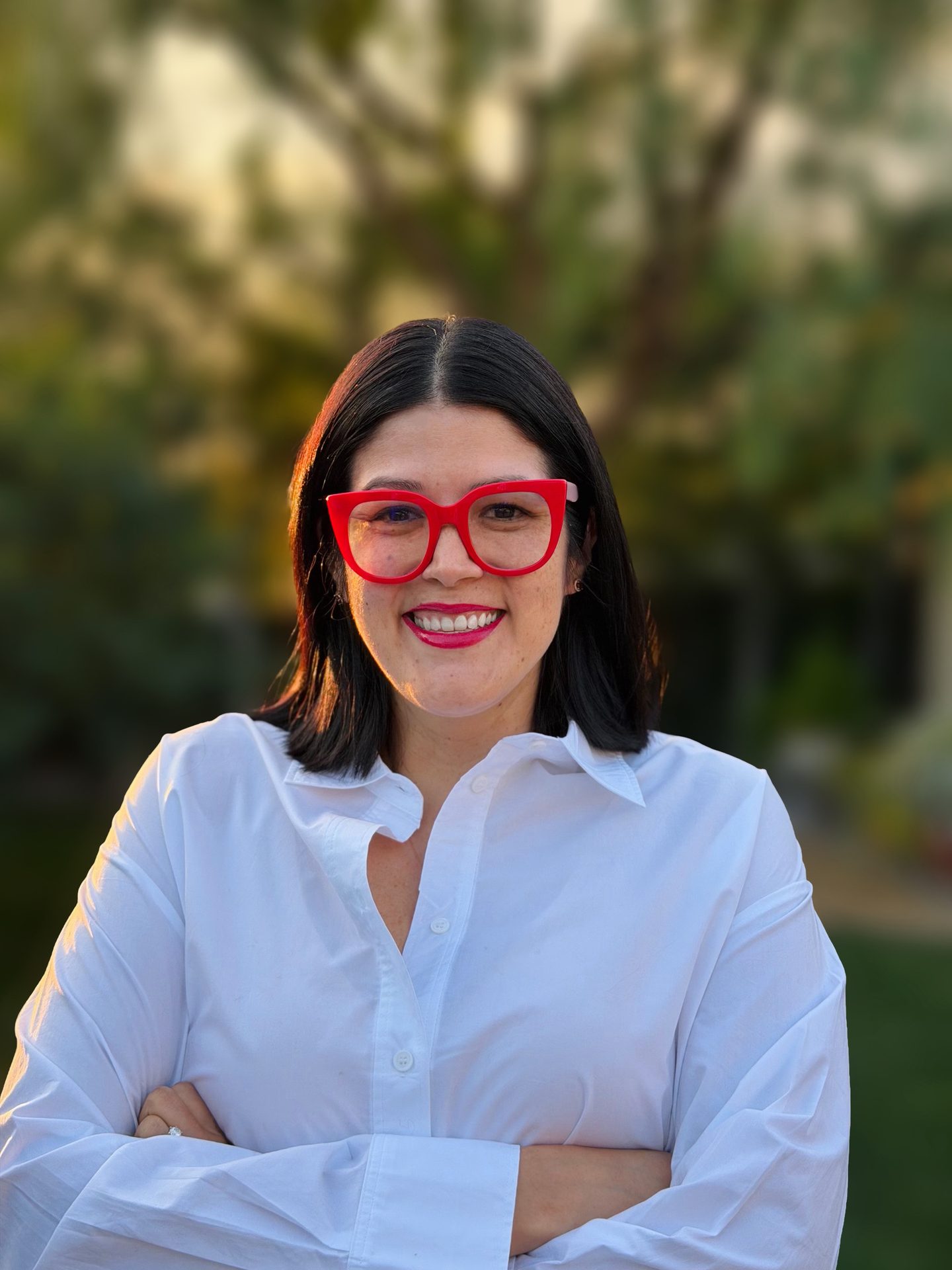
Q: How are you and/or your company adapting to shifting consumer trends and economic pressures?
Our approach is to stay radically consumer-centric while remaining grounded in what dairy does uniquely well. On the foresight and discovery side, we track long-range shifts such as personalization, artificial intelligence and aging, and identify where milk’s inherent biology and our farmer-owned system can deliver differentiated value. In practice, this means using science and technology to position dairy ingredients in high-impact health spaces, helping brands innovate around growth-driving trends and guiding investment toward pilots in areas like precision nutrition so dairy shows up in the solutions consumers are already seeking and beginning to adopt.
Eve Pollet
Senior Vice President of Foresight, Trends and Discovery
Dairy Management Inc. (DMI)
Rosemont, Ill.
Years with the Company: 7
"We’re aligning farmers, leadership and world-class scientists around a shared future."

Q: When did something start out badly for you but in the end, it was great?
One experience that stands out happened earlier in my career when I took on a project that, frankly, looked like it was heading for failure. We were developing a new enzyme solution for a dairy customer, and early trials were not going well. Performance was inconsistent and the customer was losing confidence. It was one of those situations where the science wasn’t behaving as expected, timelines were slipping, and everyone felt the pressure.
Instead of trying to push through the same approach, we pulled together a small cross functional team from applications, R&D, and commercial. We went back to fundamentals: really understanding the customer’s process conditions, reevaluating our formulation assumptions, and increasing transparency with the customer. Through that deeper collaboration, we uncovered a processing variable on the customer side that was interacting with the enzyme in an unexpected way. Once we adjusted for that, the solution performed far better than originally anticipated. What started as a stressful, shaky situation ultimately turned into one of our strongest partnerships.
That experience taught me that a difficult start isn’t a sign of failure, it’s an opportunity to reset, collaborate differently, and build trust. Some of the best outcomes in my career have come from projects that initially looked the most challenging.
Collette Lentz
Vice President of Enzymes North America
Kerry
Beloit, Wis.
Years with the Company: 6 months;
16 years in enzymes
“I enjoy helping people connect their strengths to meaningful work.”

Q: When did something start out badly for you but in the end, it was great?
Transitioning into manufacturing initially felt overwhelming because there was so much to learn in a short amount of time. Coming from a different industry, I had to quickly adapt to new technical concepts, regulatory requirements, and operational systems. At the time, the steep learning curve felt intimidating. However, that challenge ultimately accelerated my growth. It forced me to develop resilience, ask questions, and fully immerse myself in the science and systems behind dairy production. Looking back, that difficult transition became the foundation for my confidence and expertise today.
Nayely Isidro
Food Safety Quality Assurance Manager
Mini Melts USA
Trevose, Pa.
Years with Company: 2.5 years
"Empowering others builds confidence and leadership within the team."

Q: How are you and/or your company adapting to shifting consumer trends and economic pressures?
We’re adapting by staying close to both consumers and our farmer‑owners. Consumers are more value‑conscious right now, so we’re focused on delivering high‑quality organic products they can trust, while being thoughtful about affordability. At the same time, we’re making disciplined business decisions that support long‑term stability rather than short‑term reactions.
Our cooperative model allows us to take a longer view. We can balance market shifts with our responsibility to organic family farms, adjusting how we manage supply, invest in growth, and support farmers through economic pressure. For us, adapting doesn’t mean changing who we are. It means staying true to our mission while evolving to meet people where they are.
In addition, we’re excited that we launched a new product in early March. Organic Valley Protein Plus is a new line of ultra-filtered, pasture-raised organic milk with 50% more protein and 50% less sugar than regular milk. Available in whole, 2% and skim varieties, our newest offering is designed to deliver the high-quality organic dairy experience our customers expect, now with the added benefit of more protein — which is increasingly important to today’s consumers. By introducing this product, we’re not only responding to current dietary trends but also reaffirming our commitment to providing nutritious, trustworthy options that support both consumer well-being and our cooperative’s values.
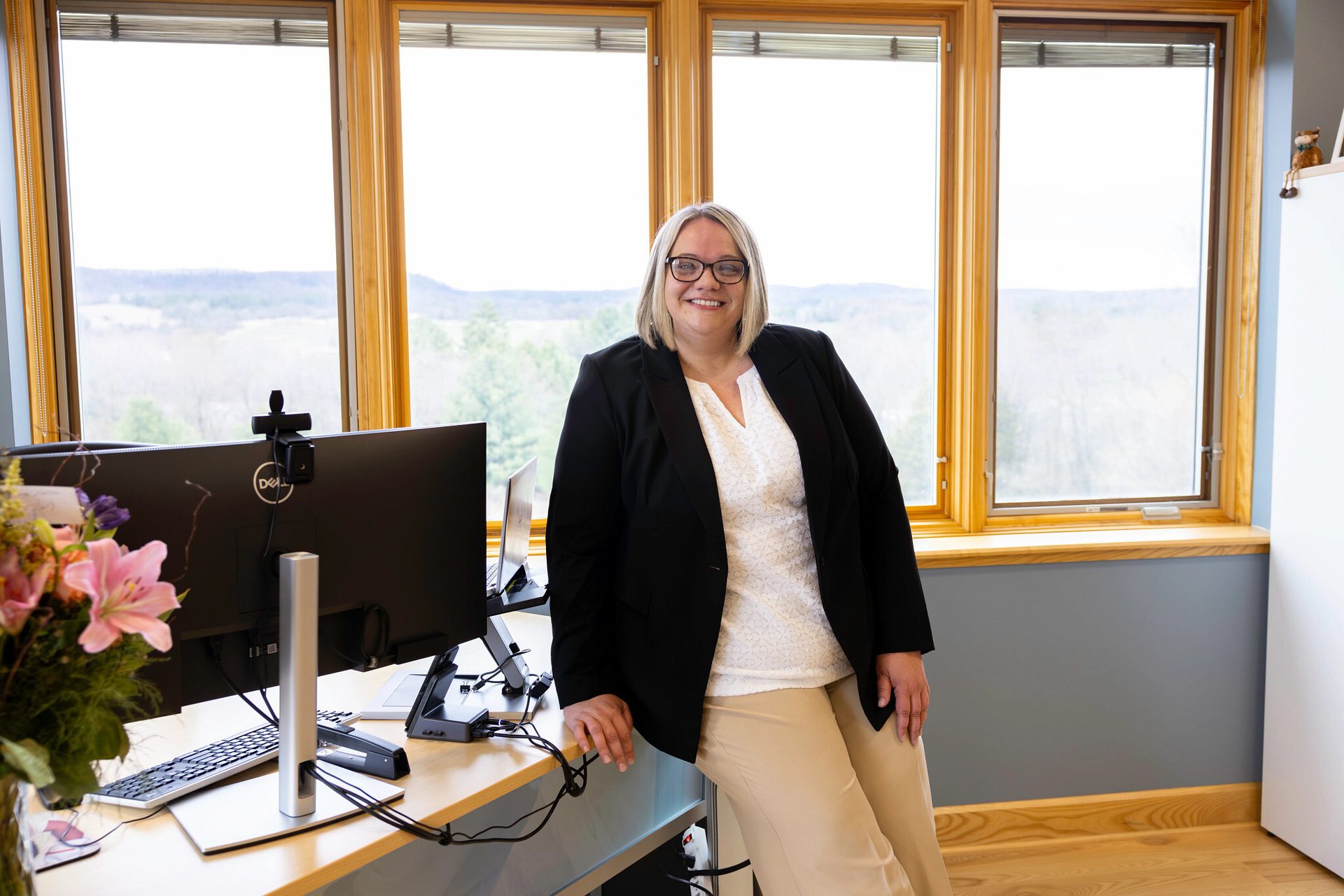
Shawna Nelson
CEO
Organic Valley
La Farge, Wis.
Years with the Company: 20
“Working for people who genuinely care about your development is invaluable.”
Q: When did something start out badly for you but in the end, it was great?
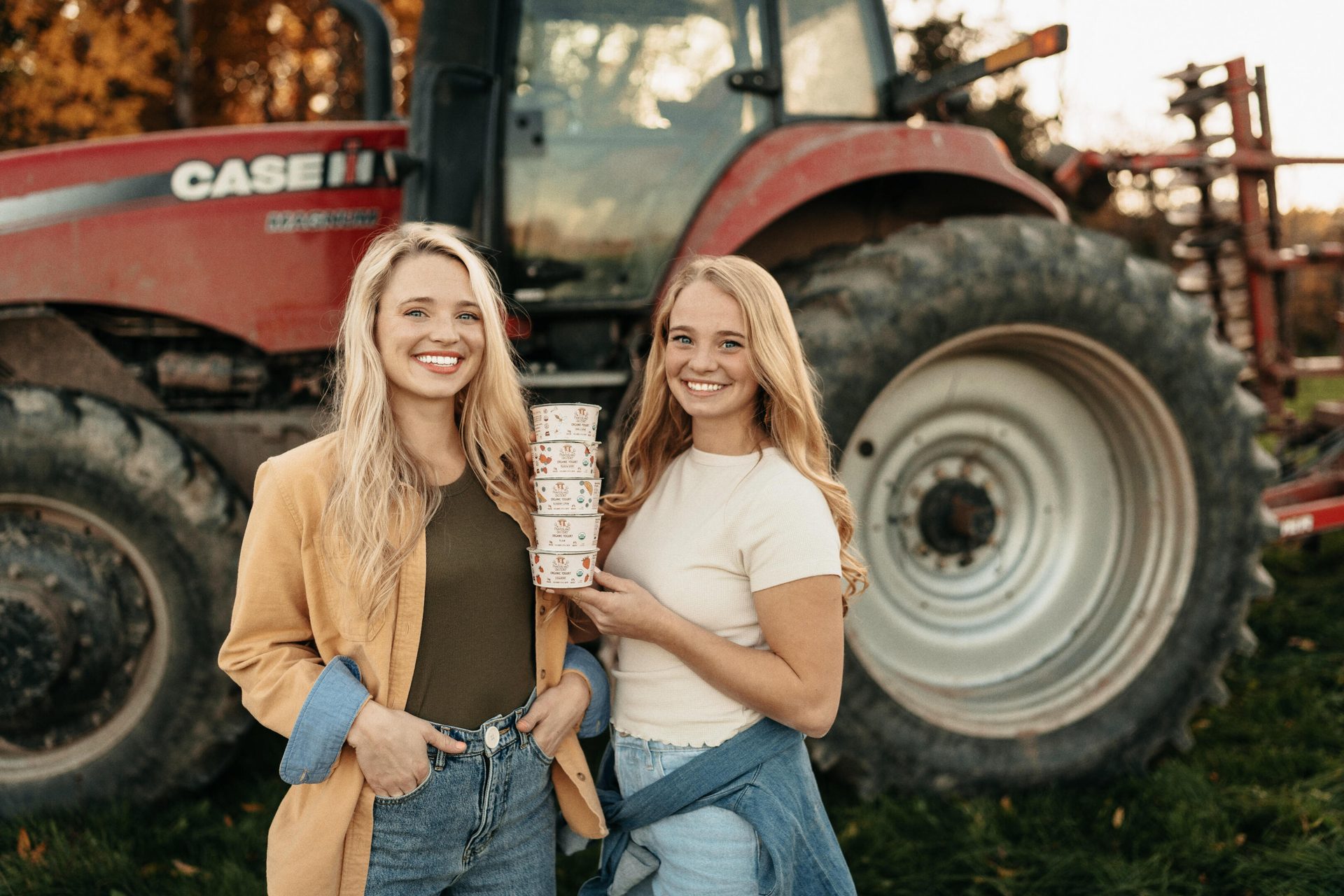
In 2018, we were facing the uneasy possibility of selling our cows, a devastating moment after generations of farming. Because of this, we spent many years researching, talking to our community, and traveling in person across the country and the world to understand the possibilities of what we could create. At first we thought, cheese! But as we delved deeper into that world, we learned there was an even stronger niche opportunity to make skyr. That uncertain chapter ultimately became the foundation for Painterland Sisters, turning one of our hardest moments into a path that not only helps to sustain our farm but also supports many others.
Stephanie & Hayley Painter
Co-Founders and Co-CEOs
Painterland Sisters LLC (organic skyr yogurt)
Westfield, Pa.
Company Founded: 2020; official launch, 2022
"Resilience, long-term thinking, and caring for people and the land were lessons that started with family."
Q: When did something start out badly for you but in the end, it was great?
A moment that stands out for me is when I first stepped into the sustainability space at Prairie Farms. In the beginning, it felt overwhelming and, honestly, a little discouraging. Sustainability in the dairy industry is complex, constantly evolving, and often misunderstood. On top of that, there was pressure from customers asking what our farms were doing to be “sustainable,” yet we didn’t have a formal structure or data‑driven program to point to. It felt like we were already behind before we even started.
At first, it seemed like an uphill climb. There were questions, hesitations, and a lot of learning to do. But leaning into that challenge — rather than shying away from it — ended up being one of the best decisions I’ve made professionally. It pushed me to be intentional, patient, and persistent.
That difficult start ultimately led to something incredibly positive: helping move Prairie Farms forward with the FARM Environmental Stewardship program. What began as a daunting gap became an opportunity to build something meaningful. Today, we are not only participating — we are using the program to highlight the stewardship our producers practice every day. It has strengthened our credibility with customers, empowered producers to tell their story, and laid the groundwork for long‑term sustainability efforts.
Looking back, the difficult beginning was exactly what made the outcome so rewarding. It taught me that meaningful progress often starts in uncomfortable places, and that staying intentional — especially when things feel messy — is what leads to real growth.
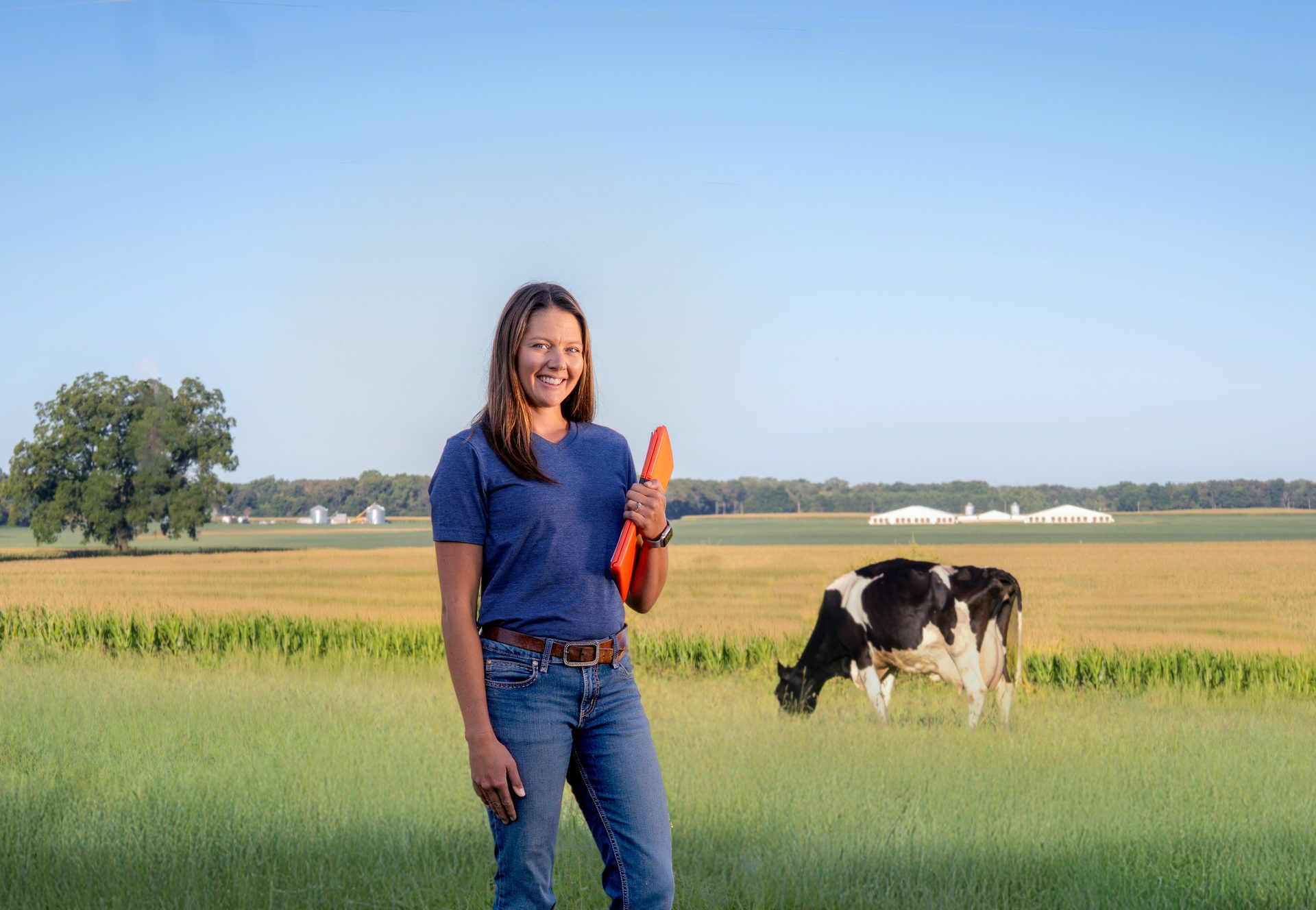
Samantha Bourke
Member Quality and Sustainability Coordinator
Prairie Farms Dairy Inc.
Edwardsville, Ill.
Years with Company: 8
"I aspire to become someone others can look up to."
Q: How are you and/or your company adapting to shifting consumer trends and economic pressures?
Debbie Niessen, ADM
Consumers increasingly seek more ‘natural’ and ‘recognizable’ ingredients, along with ‘better-for-you’ products across food and beverage categories. At the same time, many brands are reformulating products to reduce sodium or fat to align with shifting guidelines and demands, which can influence preferred flavor profiles if not handled correctly. Our dairy- and cheese flavors are designed to adapt to these changes, helping maintain an enjoyable, authentic taste experience even as nutritional targets evolve.
One of the benefits of the enzyme-modified dairy flavors that I work with is that a lot of them are incredibly clean label and support labeling that resonates with what shoppers want to see on packaging. I utilize real dairy ingredients and intensify the flavor notes and characteristics to deliver consistency and impact across a variety of applications. From a technology standpoint, these flavor solutions are extremely valuable, offering flexibility across applications and supporting cost optimization, bringing together performance, efficiency and alignment with current consumer trends.
Overall, consumers love cheese, finding cheese flavors comforting and familiar. Whether we’re elevating classic products or introducing greater variety in cheese profiles, my role is to help brands deliver authentic, craveable experiences that emotionally connect to consumers while meeting evolving reformulation needs.
Karen McCarty, Agropur
Consumer and customer trends in food safety and quality assurance have been moving toward lesser acceptance of any defect; the expectation is that foods are not only safe, but also meet exacting quality standards. These expectations are pushing our industry toward a “zero defect” expectation, which as a consumer, I fully understand. From a processor’s lens, our capabilities to manufacture to that expectation are often challenged by aging assets and shifting workforces that result in an increase in “cost to serve.” Companies must have a strong culture to ensure teams are agile and can rise to meet these customer and consumer needs.
Kelly Torres-Chadd, DFA
We’re all feeling the pressure of higher costs and tighter budgets, which makes value, trust, and versatility more critical than ever in everyday food choices. At DFA and specifically with Alta Dena, we’re responding by focusing on products that deliver multiple benefits in a single purchase. Nutrition, taste, and affordability can’t be trade-offs.
With Alta Dena Protein Milk, we addressed growing interest in protein and lactose-free options while keeping the product accessible and rooted in real milk. We’re also being more disciplined about innovation, prioritizing ideas that solve genuine household needs rather than chasing short-term trends.
Collette Lentz, Kerry
We’re adapting by staying tightly aligned with consumer trends like clean label, lactose free, and high nutrition dairy such as high protein products. On the technology side, we’re investing in enzyme and fermentation solutions that help customers improve efficiency, reduce waste, and deliver products that meet these evolving demands. Economically, we’re focusing on solutions that create more value with fewer inputs, helping customers maintain quality while managing cost pressures. A big part of this is working closely with customers to understand their challenges and using our technical expertise to co-create solutions that are both consumer relevant and operationally efficient.
Nayely Isidro, Mini-Melts USA
We are focused on building a culture that embraces change rather than resists it. We invest in training our team and providing them with the tools and knowledge needed to adapt to evolving industry demands. We also encourage open communication and diverse perspectives, because innovation often comes from new ideas and collaboration. By creating an environment where people feel empowered to contribute and grow, we are better positioned to remain agile and responsive to both consumer trends and economic challenges.
Stephanie & Hayley Painter, Painterland Sisters
When we started Painterland Sisters, dairy was facing a wave of skepticism. Grocery shelves were stocked with non-dairy alternatives, and many consumers had lost touch with the nutritional value and integrity of dairy milk. Rather than letting this stop us, we saw it as an opportunity to reintroduce dairy to consumers. By making lactose-free yogurt, we were also able to introduce consumers who may be lactose-sensitive to dairy products.
Consumers today are more intentional about what they are putting into their bodies; they want cleaner ingredients, real nutrition, and brands they can trust. We’ve continued to focus on quality over shortcuts, producing skyr made with regenerative organic milk that’s packed with up to 21g of protein, BB12 probiotics, and 6% healthy milk fat. At the same time, we’re growing intentionally, ensuring our expansion aligns with our values and mission.
Samantha Bourke, Prairie Farms Dairy
As a cooperative, we have always believed that doing what is right is the foundation of long‑term success. That mindset has guided us to adapt to changing consumer expectations and the economic pressures facing both farmers and the food industry.
Consumers today want transparency, sustainability, and nutritious foods they can trust. We are meeting those expectations by doubling down on what dairy farmers have always done well: being responsible stewards of the land, caring for their animals, and producing one of the most naturally nutrient‑dense foods available. Milk remains a powerhouse of essential nutrients — protein, calcium, vitamins, and minerals — and we’re committed to communicating that value clearly to today’s consumers.
We are also investing in our farms by offering multiple different sources of revenue for the producers. Whether that is offering quality premiums or the FARM ES incentive, we want to be able to keep family farms viable for the next generation.
Economically, we’re navigating the price instability by working together as a cooperative — sharing resources, strengthening supply chains, and finding new market opportunities. Whether it’s developing value added dairy products, expanding into new channels, or improving processing efficiency, we are focused on creating stability for our members while delivering high quality dairy to consumers.
At the end of the day, our approach is to stay true to our values, do what is right, and keep producing wholesome, nutritious milk in a way that honors the land and our producers who care for it.
Q: What’s the best lesson you’ve learned?
Karen McCarty, Agropur
As I progressed in my technical skills and on controlling processes and reducing risks, I focused only on the outcomes. I didn’t consider the human element and overlooked the fact that it’s people who execute the processes that determine whether we fail or succeed. As a result, I was a terrible leader and difficult to work with. When presented with opportunities for promotion, I took the advice of a great mentor and engaged with a professional coach to understand, develop and grow into the leader my team needed. It was a tough look in the mirror, but leaders owe it to themselves and their teams to constantly reflect, take feedback and grow.
Kelly Torres-Chadd, DFA
One of the most important lessons I’ve learned is that clarity beats complexity. In marketing, it’s easy to overcomplicate. The strongest brands succeed because they make it easy for consumers to understand why they matter. That lesson has shaped both my professional approach and how I show up personally. It’s helped me become a more decisive leader and a better communicator. When you’re clear about what matters, everything else becomes easier to prioritize.
Eve Pollet, DMI
Have fun, have courage and have passion. Practicing those three has fueled some of the most meaningful growth in my career, from earning trust with farmers and executives to leading a high-performing, cross-functional team and staying aligned between who I am personally and how I show up as a leader.
Collette Lentz, Kerry
I’ve learned that being a technical leader is just as much about how you communicate as what you know. We anchor everything in scientific rigor, but we also share the “why” and the “how” with customers early — what we’re testing, the assumptions behind our approach, what success looks like, and how it connects directly to yield, quality, and cost in their operations.
That level of clarity and transparency has strengthened partnerships and significantly shortened development cycles because customers understand not just the final recommendation, but the technical reasoning behind it. It also leads to better outcomes: when customers are part of the process, the solutions we deliver are more aligned with real plant conditions, more reliably adopted, and ultimately more impactful.
For me, the lesson has been that expertise gains its greatest influence when it’s communicated openly and collaboratively. This blend of technical depth and transparent engagement has elevated both customer trust and the effectiveness of the solutions we bring to market.
Nayely Isidro, Mini Melts USA
One of the most important lessons I’ve learned is that you’re never going to feel completely ready. If you wait for the perfect moment or complete certainty, you may never take the step at all. Growth happens when you choose to move forward despite uncertainty. I’ve learned to face challenges directly, trust myself, and take action, even when it feels uncomfortable.
This mindset has transformed both my professional and personal life. It has helped me build confidence, develop resilience, and continue progressing forward. Small, consistent steps lead to meaningful growth, while hesitation can keep you standing still. Embracing uncertainty has allowed me to achieve more than I ever expected.
Shawna Nelson, Organic Valley
Stepping out of our comfort zone is sometimes the scariest thing any of us do in our professional journey. However, it can be the most rewarding. In 2016, when I moved from a role in our HR department to a role working with our regional field managers and milk hauling teams, I had a lot to learn. It was intimidating and, honestly, for about six months I questioned whether I had made the right decision. But I chose to trust myself — and the mentor who encouraged me to take that leap.
Over time, I not only gained valuable new skills but also discovered a passion that shaped the direction of my career. The lesson in that experience? Push yourself, trust your instincts, and be open to growth, even when the path ahead feels uncertain. The greatest rewards often come from embracing challenges and believing in our ability to adapt and thrive.
Stephanie & Hayley Painter, Painterland Sisters
One of the most important lessons we’ve learned is that integrity has to come first, even when it’s difficult. Staying true to our values, whether it’s the way we farm in our area, who we partner with, or how we grow as a company. Remaining rooted in our values has helped us become stronger leaders and more confident decision-makers, both professionally and personally, reminding us why we do what we do every single day.
Samantha Bourke, Prairie Farms Dairy
One of the most important lessons I’ve learned is the value of being intentional. Instead of moving through work or life on autopilot, I’ve learned to make deliberate choices — about how I spend my time, how I show up for others, and what I commit my energy to.
Professionally, it keeps me focused on priorities that matter, not just the loudest or most urgent tasks. I make clearer decisions, communicate with more purpose, and create outcomes that align with long‑term goals rather than short‑term reactions.
Personally, it helped me slow down, reflect, and act with clarity. Working in dairy, teaches you patience, consistency and purpose. Being intentional has helped me reflect and show up as a better leader. It has made me more thoughtful about how I communicate, how I support my team, and how I balance the demands of the industry with my own well-being.
Choosing to be intentional has shifted me from simply responding to life to actively shaping it — and that shift has led to real growth.
Q: Do you have any other closing thoughts?
Kelly Torres-Chadd, DFA
Dairy has an incredible future when we stay grounded in truth and evolve with intention. I’m especially encouraged by the number of women shaping that future across farming, operations, science, and marketing. I’ve been fortunate to work alongside many incredible female leaders and team members at Dairy Farmers of America, whose perspectives, rigor, and collaboration make both our work and the broader dairy industry stronger every day.
Being part of an industry that feeds our communities, supports local farmers, and continues to innovate responsibly is something I’m genuinely proud of. I’m excited to keep contributing alongside these teams and helping dairy move forward, with intention and purpose.
Eve Pollet, DMI
Women have always been central to dairy, from multigenerational farm families to scientists, marketers and innovators, yet we remain underrepresented in many decision-making rooms. My hope is that features like this normalize seeing women lead at every link in the chain: on the farm, in the lab, at the board table and in front of the data shaping what’s next.
Collette Lentz, Kerry
I’d just add that I feel genuinely fortunate to work in a space where science can directly improve how people experience food every day. That purpose motivates me, and it shapes the way we lead, collaborate, and build partnerships. I appreciate the opportunity to reflect on that here.
Nayely Isidro, Mini Melts USA
I’m incredibly grateful to be part of an industry that blends science, creativity, and innovation. Dairy manufacturing has challenged me, strengthened my leadership skills, and opened doors I never imagined. I’m excited to continue learning, growing, and contributing to the future of frozen dairy products. Being part of Mini Melts during this period of growth has been especially meaningful, and I look forward to seeing where this journey continues to lead.
Shawna Nelson, Organic Valley
Behind every carton of milk or block of cheese is a family who wakes up before dawn, who care deeply about their land and animals, and who is doing everything they can to keep their farm alive for the next generation. These are families rooted in rural America, and their farms are more than businesses. They are livelihoods, legacies, and communities.
Rural America matters because it’s where our food begins. When family farms disappear, the loss ripples far beyond the field. Main streets go quiet. Generations of knowledge and care for the land are lost. Once those farms are gone, they rarely come back.
As a farmer‑owned cooperative, Organic Valley was built so farmers could stay on their land and thrive. When you buy Organic Valley, your food dollars go directly back to the families who own our cooperative and steward the land every day. You’re helping keep barns full, pastures green, and rural communities strong.
Supporting Organic Valley is about more than organic food. It’s about protecting where your food comes from and standing with the families who make it possible. That connection between consumer and farmer is powerful, and together, it’s how we keep rural America alive.
Stephanie & Hayley Painter, Painterland Sisters
Women have always played a vital role in dairy, even if their leadership hasn’t always been visible. As sisters and co-founders and CEOs, we’re proud to be part of the female wave of leadership in food and agriculture. If our story shows that innovation, purpose, and impact can grow from a family farm while supporting farmers, communities, animals, and the land, while sharing nutritious dairy options with consumers, then we know we’re doing exactly what we set out to do.
Samantha Bourke, Prairie Farms Dairy
At the end of the day, I’m grateful to be part of an industry built on hard work, integrity, and genuine care. Dairy producers are some of the most dedicated people I’ve ever met, and being able to support them in their efforts — whether through quality programs, sustainability initiatives, or simply helping tell their story — is something I take a lot of pride in.
Prairie Farms has shaped who I am professionally. It continues to push me to grow and to look for ways to make a positive impact. I am excited for what is ahead, both for Prairie Farms and for the producers who make everything we do possible. DF