The Flavor Crave
INGREDIENT TECHNOLOGIES
Photo courtesy of Bell Flavors & Fragrances.
In “Willy Wonka & the Chocolate Factory,” Gene Wilder is the eccentric candyman who tells five youngsters who won coveted Golden Tickets that they’re about to enter “a world of pure imagination.” This includes a flowing milk chocolate river, huge edible lollipops and colorful teacups. Just like the song, today’s dairy flavors are in a “fantastical world” full of “magical creativity and possibility.”
Trends like clean label, low sugar and high protein are driving innovation in the dairy industry. Additionally, dairy products with added functional benefits for gut health, glowing skin or mental wellness are expanding in scope. Yet, none of these benefits in dairy products will hit the rainbow jackpot without good taste.
By Barbara Harfmann, Senior Editor
Ingredient companies advancing 2026 flavor strategies, ingredient pairings and scoopable desserts.
The Flavor Crave
“Candy Cane and Pumpkin Pie are still staples, but brands are layering in more complexity — think chai, cookie butter and spiced caramel — to create that ‘home-for-the-holidays’ comfort with a modern edge. The overarching story is fireplace warmth meets creative confectionery: familiar, a little fancy, and made for right now.”
—Ilana Orlofsky, senior manager for customer experience at Imbibe

While traditional flavors like Vanilla, Chocolate and Strawberry remain top flavors in ice cream, bakery-inspired flavors like Cookies & Cream and Chocolate Chip Cookie Dough are trending high. Given the diversity of dairy products such as ice cream, cultured dairy/yogurt, cheese, milk and creamers, several more trendy and complex flavors are enticing trial, according to the 10 ingredient experts Dairy Foods spoke to.
Noting that the dairy industry is “synonymous” with both indulgence and nostalgia, Kat Crozier, senior marketing manager for North American flavors at Chicago-based ADM, agrees that flavors such as vanilla, chocolate, strawberry and birthday cake have “staying power.”
“Consumers have an established sense of dairy’s taste and texture, and there is a soothing familiarity in the creaminess of dairy profiles that we see continuing to capture consumer attentions in the year ahead,” Crozier explains. “Berry flavors like raspberry and blueberry, along with tropical and varietal citrus flavors — think passionfruit, yuzu and pomelo — are also bringing heightened interest to the dairy aisle.
Integration drives conveyor and palletizer efficiency in dairy processing
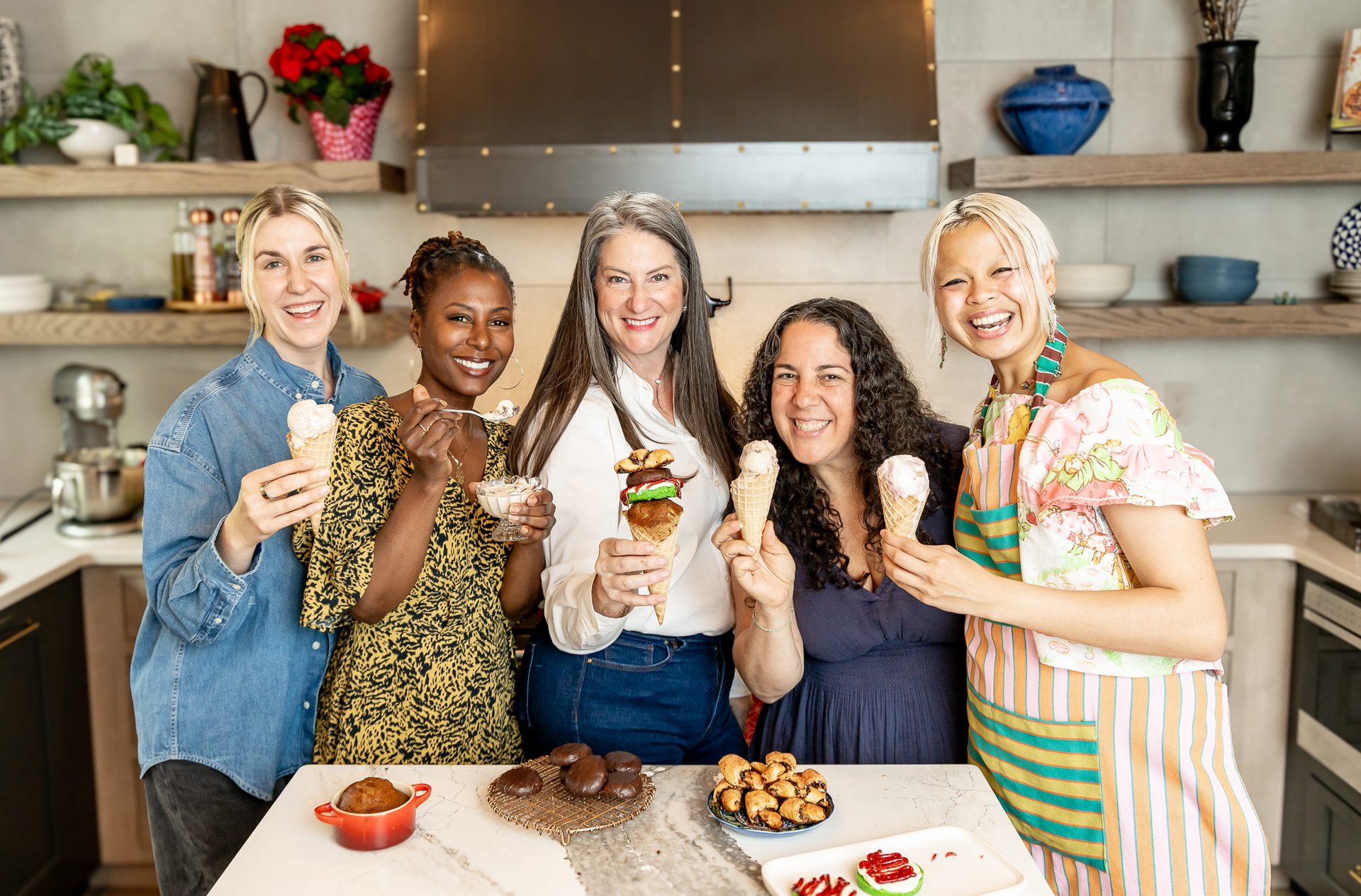
Clementine’s Ice Cream teamed up with six-star pastry chefs to turn America’s favorite holiday tradition into a scoop-ready celebration. Photo courtesy of Clementine’s Ice Cream.
“These fruity profiles, which consumers may connect to products containing vitamin C and immune function support, can specifically be seen with spoonable and drinkable yogurt introductions, aligning with the health halo yogurts already possess,” she continues.
Kalamazoo, Mich.-based FlavorSum’s Director of Marketing Lisa Jackson suggests that flavors are now playing a significant role in storytelling, acting as cues for authenticity (Real Vanilla Yogurt), cultural ties (Masala Chai Lassi), or wellness (Lemon-Ginger Skyr).
“We can use natural ingredients to help realize your ideas and formulate a dairy food or beverage that fulfills taste expectations,” she says. “Flavor systems must support these credentials, either by delivering premium, clean flavor profiles or by offering flavors that align with the wellness or functional message (e.g., fresh berry, vanilla, mild fruit).”
Jackson’s colleague, Phil a’Becket, senior consumer insights manager, employs social listening and online discussions to help identify emerging and trending flavors across food and beverage categories.
“While not all the trending flavors will become the next Pumpkin Spice, growing interest warrants attention, within cultured dairy, some emerging and trending flavors identified by FlavorSum include Cherry Vanilla, Strawberry Matcha, Dubai Chocolate/Chocolate Pistachio, Golden Kiwi, Spicy Honey, and Honey Cinnamon.
“We also see Dubai Chocolate/Chocolate Pistachio in ice cream, bringing the TikTok confection's virality into the frozen world,” he continues. “Tres Leche Cake and Cannoli are trending flavors inspired by regional desserts. A variety of familiar chocolate-fruit combinations are still trending, like Chocolate Strawberry, Cherry Chocolate, and Chocolate Raspberry.”
With a plethora of new flavors driving trial and flavor exploration, industry analysts prognosticate the North American flavor market will reach $5-$5.5 billion in 2025, growing at a compound annual growth rate (CAGR) of 4.6-5.0% through 2030.

Chocolate and peanut butter remain popular flavor trends. Photo courtesy of Novelty for One.
Ripe for flavor exploration
Flavors are a source of excitement for consumers, especially in dairy categories like ice cream, yogurt and creamers since these foods are often seen as indulgent treats, states Mark Webster, vice president of sales and marketing at T. Hasegawa USA.
“These categories are prime for flavor exploration and brands are answering the demand for interesting flavors and ingredient pairings across most dairy categories,” Webster says.
He concurs that dessert-inspired combinations that offer a twist on the familiar base flavors of chocolate and vanilla with premium bakery ingredients mixed in are elevating the flavor experience. For example, cinnamon bun, tres leches, horchata, red velvet cake, birthday cake, s’mores and apple pie.
“Having bakery items like cakes, pastries and pie crust mixed into the ice cream base elevates the experience in terms of texture and taste, it’s a complete scoopable dessert,” Webster maintains.
“Another growing trend in ice cream is exotic fruity flavors, including less common ingredients like dragon fruit, yuzu, sudachi, dark cherry and passion fruit. These fruits deliver unique flavor profiles and bold colors that look great in photos,” he adds.
Zach Pawlowski, culinary and applications chef at South Plainfield, N.J.-based Flavor Dynamics Inc., notes that classic options have given way to sweet and savory flavors like maple pancake, brownie batter/bits, cake batter, cheesecake and banana bread/pudding.
When blended with profiles like nutty, fruity and caramelly, flavors like cinnamon bun, churro, tiramisu, cannoli and pies/crumbles are trending upwards in frozen desserts, he says.
Yet, ice cream and desserts aren’t the only categories with fanciable flavors.
“High-protein dairy snacks like yogurt and cottage cheese are no strangers to being flavored, but how baked good profiles are changing those offerings is with the addition of flavor-packed additions of syrup or baked bits, either on the side or mixed in,” Pawlowski says.
Flavored cheeses and butters are also experiencing popularity. With savory options plentiful and classic fruit or sweet pairings growing stale, consumers have started turning to festive butters like maple pecan or cinnamon bun to add flavor, T Hasegawa’s Webster says.
The Cerritos, Calif.-based company pinpoints a surprising flavor — sweet corn — will become mainstream in 2026.
“As consumers lean into a health-first mindset, flavors attributed to natural ingredients such as vegetables will attract attention,” Webster says. “Keeping it simple, but nostalgic, sweet corn is a flavor we expect to see more of next year. While already popular globally, sweet corn’s nutty and sweet flavor works well in drinks such as milk and creamers.”
Beloit, Wis.-based Kerry’s 2025 Taste Charts and Taste Trends report pinpoints how consumer preferences are evolving across categories with consumer nostalgia and a desire for novelty top of mind.
“For milk, traditional chocolate and vanilla remain dominant but there is growing experimentation with chai, turmeric, and horchata,” says Jenny Palan, Kerry’s strategic marketing director for food. “In cheese, flavor-infused varieties — such as truffle, chipotle, and rosemary — are gaining traction, especially in snacking and specialty categories.”
Kerry’s proprietary taste lifecycle helps brands navigate this complexity, delivering flavor experiences that balance indulgence, health and novelty.
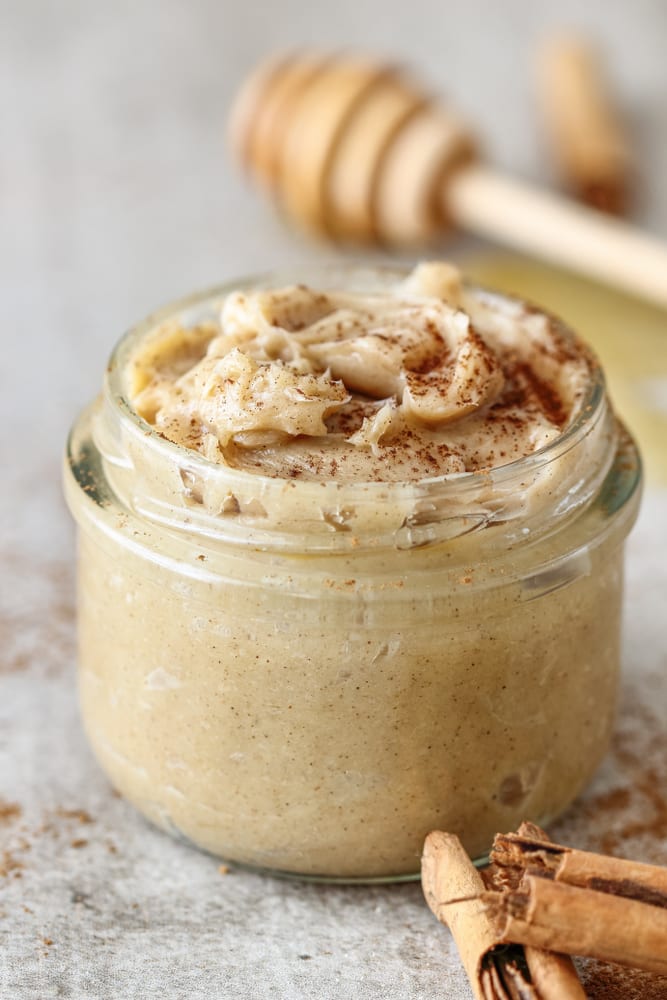
Homemade Honey Cinnamon Butter, similar to the fan favorite used at Texas Roadhouse restaurants, is a sought-out flavor. Photo courtesy of FlavorSum.
Keeping familiar favorites fresh with layered complexity
Philip Caputo, marketing and consumer insights manager at Virginia Dare, maintains that while universally loved vanilla and chocolate are the heart of dairy, the Carteret, N.J.-based company is seeing vanilla turn into brown butter vanilla bean or bourbon vanilla crème, while chocolate gets paired with raspberry, smoked sea salt, or espresso.
“In yogurt, fruit-forward flavors still drive trial, but they’re being layered with more complexity — things like mango-cardamom or peach-hibiscus,” Caputo says. “Even in flavored milks and creamers, nostalgia is playing a huge role — flavors like cookies & cream or cinnamon toast tap into those comforting memories, but with cleaner, more natural flavor profiles.
“Overall, it’s about giving people something that feels both recognizable and a little new; that sense of ‘I know this flavor, but I’ve never had it quite like this before.’ That’s what’s really driving trial across dairy applications right now,” he continues.
ADM’s Crozier concurs: “The sweet brown notes of caramel, maple and date pair incredibly well with the richness of frozen novelties and yogurts. Exploratory profiles like salted cream and spicy maple, in particular, have encouraged consumers looking to try an elevated version of a familiar sweet treat.
“Berry flavors like raspberry and blueberry, along with tropical and varietal citrus flavors — think passionfruit, yuzu and pomelo — are also bringing heightened interest to the dairy aisle,” she continues. “These fruity profiles, which consumers may connect to products containing vitamin C and immune function support, can specifically be seen with spoonable and drinkable yogurt introductions, aligning with the health halo yogurts already possess.”
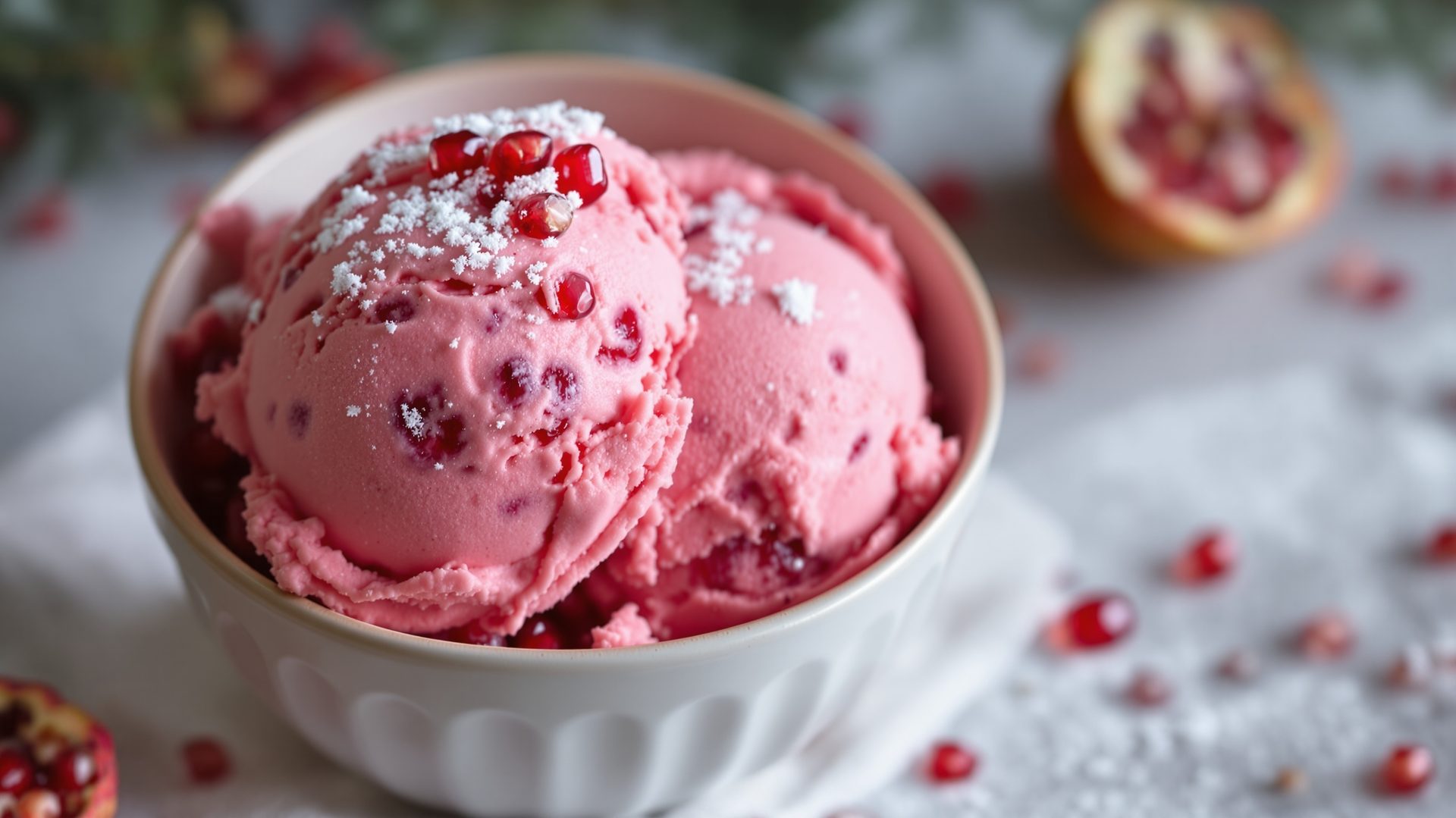
Fruit-forward flavors such as pomegranate and blends elevate ice cream and frozen treats. Photo courtesy of Key Technology.
Overcoming sourcing challenges
As consumers lean into a health-first mindset, clean-label flavors attributed to natural ingredients such as vegetables will attract attention.
Yet, taste will always reign supreme, affirms Sandy Styka, category director for sweet goods for MANE Inc., a global France-based company with a corporate headquarters and R&D center in Lebanon, Ohio.
In 2025, the company expanded its scope for liquid flavors with a new, expanded manufacturing facility in Woodlawn, Ohio. “Building authentic natural flavor profiles has always been a focus for MANE,” Styka says.
“At the end of the day, taste still reigns supreme, so it’s imperative that we have the right tools to help mask offnotes and ensure our customers deliver the taste profile consumers expect.”
Yet, sourcing some ingredients like matcha and cocoa continues to be challenging since demand is up, but supply is down.
“We have worked to create tools that can help reduce the usage of cocoa by offering cocoa/chocolate flavors that can fill the gap and build back the cocoa profile,” Styka says.
In 2024, severe weather patterns in West Africa (where most of the world’s cocoa is produced) devastated crops and reduced the global supply of cocoa powder by 11%. “This caused the cost of raw cocoa powder to surge to a historic high of nearly $10,000 per metric ton,” according to T. Hasegawa’s Webster. “To help manufacturers navigate around fluctuating material costs and shortages, T. Hasegawa Cocoa Powder Replacer, an alkalized, low-fat cocoa flavor, provides a substitute for traditional cacao-based powder.
“This commodity replacer technology offers a practical solution that amplifies the natural flavor profile of cocoa with minimal raw cocoa powder needed," Webster adds.
Flavor Dynamics’ Pawlowski points out that when demand for a food ingredient like matcha is short in supply, “adding a flavor to support the matcha profile can cut the usage and higher costs. In this situation, you have the advantage of flavor enhancers and replacers,” he says.
At the end of the day, as painful as it can be, sourcing challenges can help push innovation since consumers don’t suddenly stop craving those flavors. “Brands have to get more creative in how they deliver that familiar experience,” Caputo says.
Thus, working with experienced flavorists is crucial. “Teams like ours at Virginia Dare can capture the sensory signature of something like premium matcha or single-origin cocoa and express it in a way that’s sustainable, consistent, and true to what people expect,” Caputo explains. “Sometimes that means using flavor systems that replicate those nuanced notes — the grassy, umami depth of matcha or the roasted richness of dark chocolate — without being limited by constant fluctuations in your supply chain.”
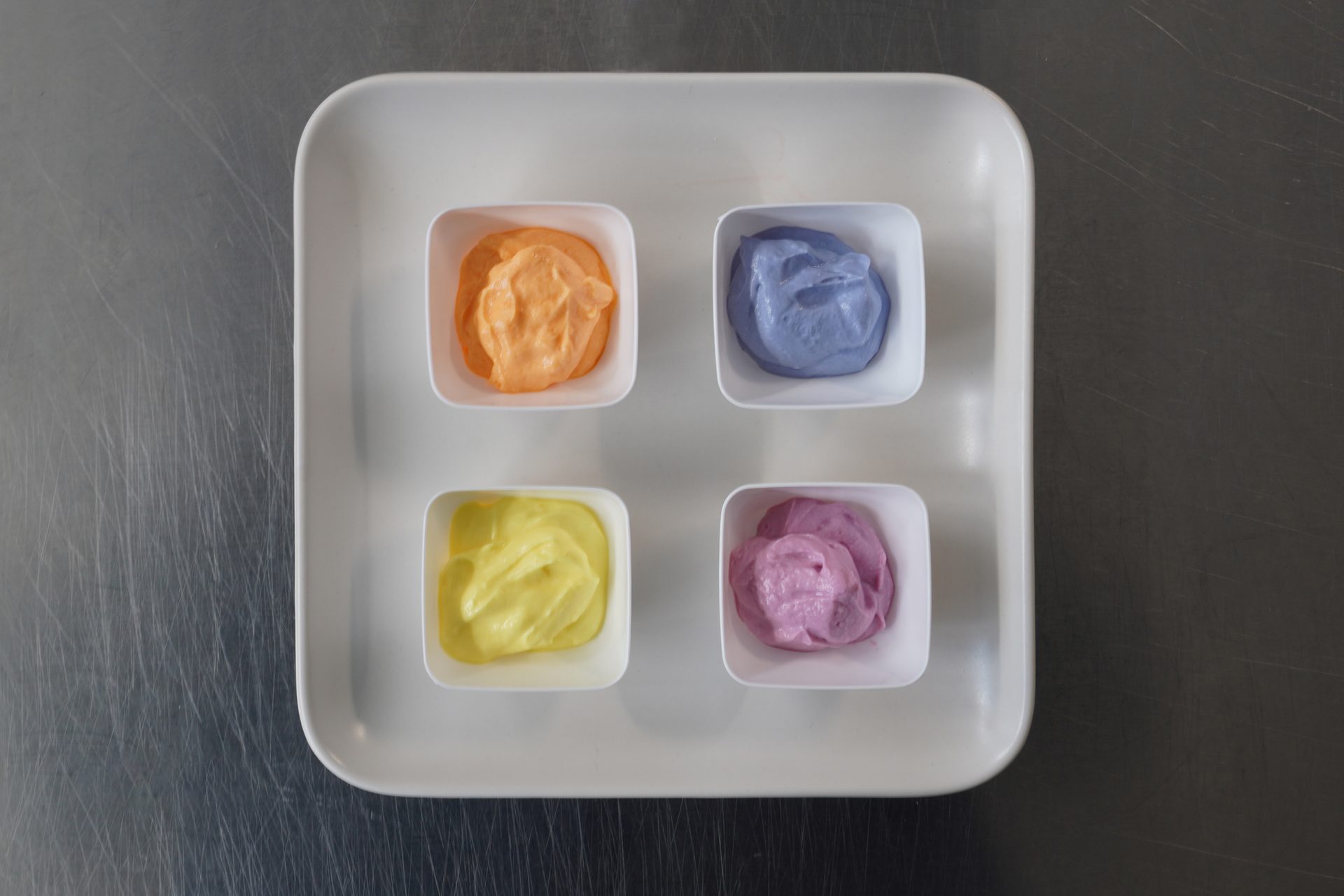
Sunny flavors in yogurt include lemon, peach, blueberry and mixed berry. Photo courtesy of MANE Ice Cream.
New year, new flavors
With the New Year marching in, Bell Flavors & Fragrances, Imbibe, Kerry and FlavorSum are among the companies prognosticating the top flavors of 2026.
Through its annual Spark Trends program, Bell Flavors is “transforming cutting-edge insights into tangible inspiration that keeps brands ahead of the curve,” the Northbrook, Ill.-based company says.
Jiabao Li, Bell Flavors’ marketing specialist for Sweet & Dairy Applications, predicts that globally inspired flavors will continue to transport consumers to getaway destinations, right in the comfort of their own home: guava, ube, pandan and baklava.
Limited-edition, seasonal flavors like Eggnog, Gingerbread and Buttered Rum coincide with the holidays, winter and nostalgia.
“With the chill and magic of the holiday season comes cozy and inviting with subtle twists,” Li remarks. “While warm spices like cinnamon, nutmeg, ginger and clove remain fan favorites, novel blends such as spiced orange or ‘chaider,’ a combination of chai and apple cider, are coming on the scene.”
While classic winter flavors like toasted marshmallow, hot cocoa, gingerbread and candy cane will continue to entice, Li suggests flavors like cinnamon roll, hazelnut praline, bourbon vanilla bean and pistachio cream could steal the spotlight.
Niles, Ill.-based Imbibe’s Ilana Orlofsky, who serves as a senior manager for customer experience, is seeing dessert-inspired flavors cross category lines — from frozen treats to ready-to-drink beverages — blending cozy nostalgia with elevated indulgence.
“Candy Cane and Pumpkin Pie are still staples, but brands are layering in more complexity — think chai, cookie butter and spiced caramel — to create that ‘home-for-the-holidays’ comfort with a modern edge,” Orlofsky explains. “The overarching story is fireplace warmth meets creative confectionery: familiar, a little fancy, and made for right now.”
Based on cross-category trends, 2026 will celebrate bright red berries and citrus fusions — think raspberry-lemon and berry-lime — for freshness and vibrancy, while tropical profiles such as lychee, dragonfruit, and guava will continue their rise, offering global flair with mass appeal, she adds.
“At the same time, Soda Shoppe nostalgia — orange-vanilla and modernized root beer — will make a comeback,” Orlofsky says. “On the indulgent end, expect brown butter, fruit-and-cream pairings, and Latin-inspired botanicals like hibiscus to define the premium space. Altogether, 2026 looks to be the year of global meets nostalgic: where familiar indulgence gets a flavor-forward refresh.”
According to Kerry’s Palan, “Ice cream trends include globally inspired flavors (matcha, black sesame, dulce de leche), retro classics (birthday cake, cookie dough), and indulgent pairings (salted caramel brownie, espresso fudge). In yogurt, fruit-forward profiles such as mango, passionfruit, and mixed berry are popular, alongside emerging functional indulgence blends like Strawberry & Elderflower and Tres Leches.”
To be published this month, FlavorSum’s annual Seasonal Flavor Guide will deliver insights and help identify flavors for spring/summer and fall/winter across a wide variety of categories.
“Currently, conversations around Peppermint, such as Peppermint Mocha Creamers, or Peppermint whipped cream, are up 24% versus last year, while social discussions about pomegranate flavor increased by 17% versus last year,” a’Becket notes. “You’ll find the flavor in items like Pomegranate Brie, Pomegranate Ice Cream and Pomegranate Yogurt.”
T. Hasegawa also will be releasing its official 2026 Flavor Trends Report, including its pick for “Flavor of the Year,” so stay tuned.
“Our goal is always to improve the way we experience foods and beverages, and we continually introduce new technologies that drive the industry forward and improve the process of flavor development. Within the dairy category, these include BOOSTRACT, our flavor modulation and compounding technology and EmulsiTRACT fat mimetic technology that enhances mouthfeel that enhances dairy and non-dairy products,” Webster says.
FlavorSum’s Jackson cites artificial intelligence (AI) could open new avenues for innovation, uncovering combinations that might not arise from traditional culinary methods.
As consumers seek more from their food and beverages, flavor needs to deliver irresistible taste while enabling better-for-you and better-for-the-planet choices, Kerry’s Palan says.
“From our foundational taste technologies to our expertise in fermentation, smoke and dairy, we’re unlocking new possibilities that elevate taste, mask offnotes, and support clean label and functional nutrition,” she concludes. “The future is about creating full sensory experiences that connect with consumers emotionally and ethically, and flavor is how we make food and beverages unforgettable.” DF