By John Lucey, Ph.D.
CHEESE DOCTOR
Kathie Canning is editor-in-chief of Dairy Foods.
Contact her at 847-405-4009 or canningk@bnpmedia.com.
Exploring the significance of lipases in cheesemaking
Sharper notes in raw milk cheeses versus pasteurized milk cheeses.
Photo by Motortion / iStock / Getty Images Plus
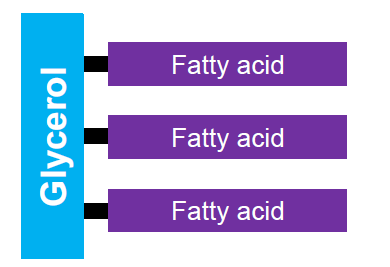
Most of the fat in milk (around 99%) is in the form of triglycerides. Triglyceride molecules consist of a glycerol backbone with three fatty acids attached (or esterified) to it (hence the name “tri” “glyceride”). There are a couple of hundred different types of fatty acids present in milk, of varying chain length and level of saturation, which can be attached to triglycerides. The position (one, two or three) or the location of a fatty acid on the triglyceride molecule, also adds another layer to the complexity of milk. Researchers have found that the position of specific fatty acids on the glycerol backbone of a triglyceride is not random. For example, short chain fatty acids typically go on the No. 3 position, medium chain fatty acids prefer the first and second positions, and longer chain fatty acids prefer position No. 1.
Lipases are enzymes that are naturally found in the digestive tracts of animals, including humans, and they help break down and digest fats like triglycerides, releasing “free” fatty acids. It is not known when cheesemakers first started to use lipases to help with flavor development in cheese. Some of the early rennet extracts also contained lipases. Raw milk contains low levels of lipoprotein lipase enzyme and there is likely some lipase activity in cheeses made from raw milk. This lipase activity could contribute to a flavor difference with pasteurized milk cheeses, with more sharper notes often noticed in raw milk cheeses.
John Lucey, Ph.D., is the Owen R. Fennema Professor in Food Chemistry at the University of Wisconsin-Madison’s Center for Dairy Research.
Cheese with strong lipase activity
Some starter and nonstarter bacteria have weak lipase activity, whereas blue molds have strong lipase activity. For some cheese varieties (e.g., traditional Provolone and Romano) lipases need to be added to generate key flavors. Most of these cheesemakers use animal-derived lipases, i.e., sourced from the digestive tracts of calves and goats. More recently, some companies have been exploring microbial-sourced lipases to help meet kosher and halal requirements. This has posed a challenge for cheesemakers because the microbial-sourced lipases produce different flavor profiles in the cheese. Lipases from different sources can produce various flavors because each type of lipase can have a preference for which types of fatty acids they release from triglycerides. Typically, the animal-derived lipase sources release more of the shorter chain fatty acids, which results in sharper, rancid or piquant flavors. In contrast, microbial-sourced lipases tend to release a higher proportion of medium and long chain fatty acids, which ultimately produce flavors associated with soapy, waxy and oily.
Some level of lipase activity occurs in nearly every cheese, but the concentration of fatty acids released varies tremendously from very low levels in fresh Mozzarella to very high levels in blue cheese. In addition, once the lipase releases fatty acids, these fatty acids can be further transformed into various compounds like alcohols and esters or methyl ketones.
For certain cheeses like hard Italian types, lipases are important for flavor, but if the levels become high or if too much of a particular type of fatty acid is released, the flavors can be overpowering. This is a big issue facing the dairy industry. Switching their lipase sources makes it challenging for cheesemakers to achieve the desired (traditional) flavor profile. It can be very difficult to know or predict what the resulting flavor profile will be caused by a particular lipase or what is the best usage level for my cheese. Often, cheesemakers have to learn by experimenting with different lipases and amounts added in the make process.
CDR developing rapid model system
At the Center for Dairy Research, research work is just getting started on the development of a simple and rapid model system to help cheesemakers by screening and predicting the flavor profile in cheese caused by a particular lipase. This research would potentially allow us to test a lipase sample on a bench top system using a small amount of milk. I think that some amount of background lipase activity contributes to the overall flavor profile in many types of cheeses, even Cheddar, greater control and precision for the fatty acids released by lipases will help expand cheese flavor profiles and ultimately consumer choices. DF