OUTLOOK REPORT
The urgency of protecting foods
Photo courtesy of Registrar Corp
No one wants to get sick or die from contaminated food. Therefore, food safety practices, and proper sanitation on the farm and in the plant are pivotal. The Global Food Recall Index study demonstrates the urgency of product safety. In the first quarter of 2025 alone, nearly 400 dairy products were recalled worldwide, which led all food recall statistics at the time.
There are many hazards, often preventable, which can lead to a food recall. These include: an ineffective cleaning and sanitation program; recurring outbreaks of Salmonella, E. coli, and Listeria frequently linked to raw, unpasteurized milk and raw dairy products; soy beverages and fruit juices running on dairy lines; mold contamination on sports drink bottles; and more.
H5N1 avian flu also has led to recalls of pet foods and while the current public health risk is low due to most milk at retail undergoing pasteurization. The Centers for Disease Control (CDC) continues to monitor the situation.
Yet, delineating raw milk statistics versus pasteurized is critical, notes Alex O’Brien, food safety and quality coordinator at the Center for Dairy Research (CDR), University of Wisconsin, Madison.
By Barbara Harfmann, Senior Editor
Almost 30% of recalls linked to consumption of raw milk, Center for Dairy Research states.
The urgency of protecting foods

“A few different factors are coalescing to create this recall phenomenon at least in the United States,” O’Brien states. These include:
- Rise in consumption of raw milk.
- Industrial workforce “brain drain.”
- Lack of sanitation due diligence.
- QFTC (Queso Fresco-type cheese) industrial production, increased demand and consumption.
- Whole genome sequencing as a tool for regulatory agencies.
- Paperwork heavy internal audits.
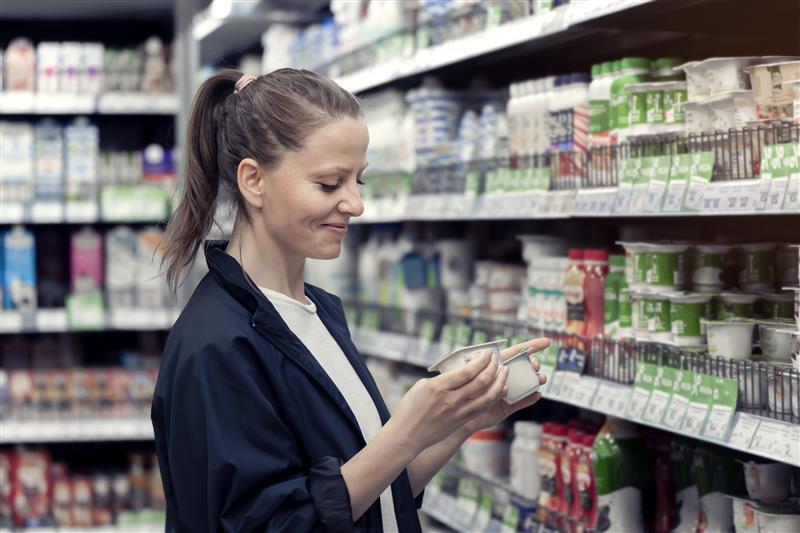
Protecting dairy foods is taking steps forward with new tactics such as food safety testing, increased usage of high-pressure processing (HPP) equipment, and advancements in molecular technologies like polymerase chain reaction (PCR) to detect human pathogens.
Photo courtesy of Registrar Corp.
“In the United States, fluid raw milk and cream are a significant share of the reason for outbreaks and recalls,” O’Brien notes. “According to CDR’s Dairy Recall Tracker, six out of the 22 outbreaks/recalls/alerts in the U.S. in 2025 are due to raw milk — that is almost 30%.
“Since 2022, 48 of 130 reviewed outbreaks and recalls were associated with raw milk, which would be ~37% of the recalls,” he continues. “If I were to focus primarily on pasteurized products in the United States, a lot of the recalls can be attributed to the fact that there is a changing of the guard in the dairy industry. The experience and knowledge on trouble shooting, normal operations, and industry norms is being lost as people retire or move out of the industry.”
O’Brien suggests that “true mentorship” be emphasized and embraced. He also points out the heavy reliance on online training and whether online training certifications are working as intended.
“I believe more hands-on training in a facility and in person discussion is essential to training the next generation,” he says.
The risks of consuming raw milk
Outbreaks are more common in states where raw milk sales are legal, highlighting ongoing risks despite public health efforts. About 4.4% of U.S. adults — nearly 11 million people — report that they drink raw milk at least once each year, and about 1% say they consume it each week, according to a 2022 study from U.S. Food and Drug Administration (FDA).
Fabiola Negron, director of food safety at Registrar Corp., a Hampton, Va.-based global regulatory consulting firm that helps food and drug companies comply with U.S. and international regulations, states: “The most frequent causes for recalls in dairy products are the presence of the pathogen Listeria monocytogenes in products such as soft cheeses and raw milk and undeclared allergens such as undeclared nuts, peanuts, wheat, or soy.”
To prevent hazards and food safety recalls, Registrar Corp., for more than 20 years, has been helping companies worldwide streamline their regulatory processes.
Yet, companies need to do their due diligence behind the scenes. It begins by establishing and following good manufacturing practices (GMPs) and an appropriate Food Safety Plan, Negron explains.
“Control measures as required in the FDA’s Preventive Controls Rule (21 CFR 117) work when applied properly. These include Process Preventive Controls such as pasteurization, and others combined with Sanitation Preventive Controls as it pertains to ready-to-eat foods,” Negron states.
“Raw milk however does not undergo a preventive control measure to kill pathogenic bacteria which presents a risk to consumers,” she continues. “The CDC and the FDA warn about the risks associated with consuming unpasteurized milk products and so does the scientific expert community. Many studies debunk myths about the ‘benefits’ of consuming raw milk.”
Molecular technologies, HPP equipment advance
Protecting dairy foods is taking steps forward with new tactics such as food safety testing, increased usage of high-pressure processing (HPP) equipment, and advancements in molecular technologies like polymerase chain reaction (PCR) to detect human pathogens.
According to MarketsandMarkets, the rapid food safety testing market — worth $19.6 billion in 2025 — is projected to reach $31.2 billion by 2030, growing at a compound annual growth rate (CAGR) of 9.7%.
The Delray Beach, Fla.-based report states: “The rapid food safety testing market continues to expand due to increasing global concerns over foodborne illnesses, stricter regulatory frameworks, and growing consumer demand for safe and high-quality food. Rising international food trade, the surge in processed and ready-to-eat products, and the need to detect emerging pathogens and contaminants are pushing harder for efficient, accurate, and faster testing solutions.”
Advancements in molecular technologies like polymerase chain reaction (PCR), which tests food for the presence or absence of human pathogens such as E. coli, Salmonella and Listeria, immunoassays and improved detection capabilities are among the tactics being used to impact food safety practices across the supply chain, the report notes.
Recent findings from JBT Marel’s Avure Technologies reveal that HPP, a non-thermal food preservation method, extends shelf life, preserves fresh-like nutritional and sensory qualities and is also helping to mitigate risk of costly food recalls.
Miami-based Hiperbaric, providers of HPP equipment, presented its latest advancements in HPP automation, integration and safety at PACK EXPO Las Vegas.
The company noted that its post-packaging food and beverage preservation method (5ºC – 20ºC) not only ensures food safety, but helps maintain a product’s fresh taste, texture and nutritional quality.
“Using high isostatic pressure — up to 6,000 bar / 600 MPa / 87,000 psi — transmitted by water, HPP inactivates foodborne pathogens and spoilage microorganisms without heat, delivering results equivalent to pasteurization with none of the thermal damage,” the company states in a press release.
There are more than 400 Hiperbaric HPP machines installed worldwide serving industries from beverages, meats, and seafood to plant-based products, pet food, and ready-to-eat meals, the company added.
Artificial intelligence (AI) also is revolutionizing food safety and quality control across the global food value chain, according to Boston-based BCC Research’s report, "AI in Food Safety and Quality Control Market.”
The AI market is projected to reach $13.7 billion by 2030, growing at a CAGR of nearly 31% from 2025 to 2030, the research report highlights.
The report states: “AI technologies like machine learning (ML), computer vision, natural language processing (NLP), and robotics, and their applications in areas such as contaminant detection, traceability, and compliance … are being adopted across the meat, dairy, and processed foods industries.
“…Rising regulatory pressures, frequent global food safety incidents, and the complexity of modern supply chains are driving the urgent need for real-time, automated solutions,” it adds.
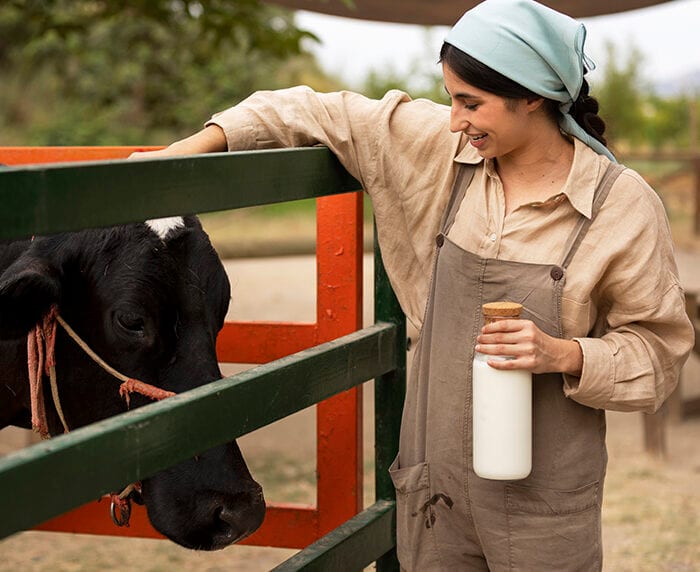
In the United States, fluid raw milk and cream contributed to 30% of food recalls, with proper sanitation crucial for preventing cross contamination.
Photo courtesy of the Center for Dairy Research.
Micro contaminations impact dairy recalls
As already noted, the pasteurization of raw milk uses different temperature and time combinations to effectively kill disease-causing germs without significantly altering the nutritional value or taste of milk.
For instance, high-temperature short-time (HTST) heats raw milk to at least 161°F (71°C) for 15 seconds, while low-temperature long-time (LTLT) pasteurization requires heating to 145°F (63°C) for 30 minutes.
Yet, Registrar Corp.’s Negron suggests that the methods used to achieve pathogen destruction may vary according to the food’s characteristics, packaging, etc. “Kill steps are not a one-size fits all,” she states.
Evaluating 130 recalls/outbreaks from 2022 to now, the vast majority of dairy recalls are micro contamination related. CDR’s O’Brien states.
“If pasteurization is working as intended, the only way you can have pathogens in your product is through cross-contamination from the environment (equipment, people, utensils, water, building) or if there are contaminated inclusions in your products,” O’Brien explains. “There have been a couple of recalls due to contaminated inclusions (Peanut Butter-contaminated Ice Cream.( https://www.fda.gov/safety/recalls-market-withdrawals-safety-alerts/taharka-brothers-ice-cream-recalls-peanut-butter-cup-ice-cream-because-possible-health-risk) and contaminated dill in butter.” https://www.foodsafetynews.com/2022/08/wegmans-dill-butter-recalled-over-potential-listeria-contamination
Recalls can also date far back in time. Fresno, Calif., announced the voluntary recall of its 4-ounce Lyons ReadyCare and Sysco Imperial frozen supplemental shakes due to the potential for the products to be contaminated with Listeria monocytogenes.
In fact, information provided by the FDA and CDC said the outbreak tied to the products — which were not sold at retail — dates back to 2018. As of Feb. 21, the CDC said 38 people infected with the outbreak strain of listeria were reported in 21 states, with 37 people hospitalized and 11 reported deaths.
Dairy products made from milk are predisposed to recalls. Registrar Corp.’s Negron cites an active recall for Grass-Fed Pepper Jack Cheese and Horseradish Flavored Cheese from Middlefield Original Cheese Co-Op due to possible Listeria monocytogenes contamination.
“Dairy products are from animal origin. Milk contains pathogens and other microorganisms which is why pasteurization or other validated control methods are needed,” she says. “Many dairy products support the growth of pathogens. These are products with high water activity content, low acidity, and requiring refrigeration for safety which is a perfect condition for Listeria monocytogenes to thrive in if the product becomes contaminated.
“When proper controls are employed throughout processing such as applying a validated kill step and sanitation controls, maintaining the cold chain throughout the supply chain, or even appropriate practices at home by the consumers helps reduce the risk of contamination,” she adds.
Sanitation is critical
CDR’s O’Brien concurs and stresses that proper sanitation is crucial in preventing cross contamination.
“The importance of sanitation verification and validation of manual and [clean in place] (CIP) cleaning is critical. Evaluating CIP wash times, temperatures, chemical concentrations, conductivity, and ensuring circuits are pulsing correctly, ensuring that items in the circuit that need COPed are consistently being removed and cleaned properly are all critical. Proper training of sanitation crews and supervisors is paramount. If there is an outbreak or recall at your facility, and your pasteurizer is working as intended, the first thing regulators will ask is: ‘How do you know your sanitation program works?’
“Although sanitation validation is not a requirement for sanitation preventive controls, it’s essential to know that your food contact surfaces are cleanable (Sanitary design) and that sanitation practices are actually sufficient at removing organic matter and microbes from the surfaces your firm is cleaning,” O’Brien says. “The importance of environmental monitoring is not to just check a box, but to identify problems in the environment prior to it contaminating product is critical.
“An example of this is the outbreak that took place at two El Abuelito facilities. Prior to the recall, the FDA noted Listeria innocua and Listeria greyii on zone 2 surfaces. Less than a year later, they had a major recall that led to 11 illnesses, 2 deaths, and sparked the FDA having an initiative on (QFTCs).”
The demand for fresh style cheeses like QFTC’s has also affected the number of dairy recalls, according to O’Brien. He suggests that the lack of competitive microbes, high pH, high moisture, and the desire to have these products on the shelf for at least 30 days demands three things: strict sanitation preventive and temperature process preventive controls and that all involved in the supply chain — buyers shippers and manufacturers —stay on top of temperature controls.
Additionally, the dairy industry’s increased capabilities of finding the source of recalls with whole genome sequencing (WGS) is making a huge difference in locating the source of the contamination to avert public health disasters.
“A recent outbreak (Rizo Lopez) had been products with contaminations occurring over a 10-year period; but was finally tied to a source last January due to the state of Hawaii regulatory routine sampling,” O’Brien states. “This led to it being sequenced and matched to clinical illnesses in the database. A number of other recalls (El Abuelito, Old Europe, and Big Olaf Ice Cream) all had WGS used as a tool to evaluate the source of the outbreaks.
“With over a decade of FDA swabathons conducted in plants and clinical isolates, I believe we will see more outbreaks and recalls that were causing illnesses for quite some time that we finally have the root cause determined,” O’Brien concludes. “…How plants view themselves and their departments — cost center versus service center — quality is more of an investment in the future and a large mitigation of recalls. Quality is not a ’Cost Center’ it’s a ‘Cost Saver.’” DF